You typed “plan me a 7 day Kenya safari” into ChatGPT last night. In about ten seconds, it handed you a clean itinerary. Nairobi, then Maasai Mara, then Amboseli, then home. It named lodges, quoted prices, and told you exactly when to see the wildebeest migration.
It looked great until you checked the details. AI trip planning Kenya safari 2026 output is fast and free. It is also often confidently wrong. The mistakes usually show up once you are three hours into a drive that was supposed to take one. This post covers where AI actually helps, where it gets Kenya specifically wrong, and how to check its work before you spend a shilling.
How First-Time Travelers Are Using AI to Plan Safaris
Most people start the same way. They tell ChatGPT or Gemini their budget, travel dates, and interests, then ask for a draft itinerary. The tool spits out a day-by-day plan with parks, lodges, and rough costs.
For someone planning their first safari, this feels like relief. Kenya has more than 20 national parks and reserves, plus dozens of private conservancies, and choosing between them is genuinely confusing. AI turns that overwhelm into a tidy list in seconds. The problem is that a tidy list is not the same as an accurate one.
Where AI Actually Helps
AI is not useless here, and it is worth saying so plainly. It is good at:
- Brainstorming a rough route based on how many days you have
- Explaining the difference between a walking safari, a game drive, and a balloon safari
- Suggesting questions to ask a tour operator before booking
- Giving you a first draft to bring to a real conversation with a local expert
Think of it as a starting point, not a finished plan. The trouble starts when travelers treat the AI’s output as fact rather than a first draft.
AI Trip Planning Kenya Safari 2026: Where the Geography Goes Wrong
This is the most common and most costly mistake we see. AI models are trained on text, not on Kenyan roads, and they routinely underestimate how long it takes to get between parks.
| Route | Real Distance | Typical Drive Time | Common AI Error |
|---|---|---|---|
| Nairobi to Maasai Mara (via Narok) | ~270 km | 5 to 6 hours by road | Often quoted as 2 to 3 hours |
| Nairobi to Amboseli | ~240 km | 4 to 5 hours by road | Treated as a quick side trip |
| Maasai Mara to Amboseli, direct | 400+ km on rough roads | 8 to 10 hours, rarely attempted | Proposed as an easy same-day transfer |
| Nairobi to Samburu | ~325 km | 5 to 6 hours by road | Distance sometimes confused with the Mara route |
In real itineraries, that Mara to Amboseli leg is almost always done by light aircraft, not by road. The flight takes about 1 to 1.5 hours, connecting through Wilson Airport or Ol Kiombo airstrip. An AI-built plan that has you driving both legs in one day is not a tight schedule. It is a plan that cannot actually happen, and no amount of an early start fixes it.
Fabricated Lodges and Fake Reviews
AI chatbots sometimes name camps and lodges with confidence, complete with amenities and star ratings. Some of these places do not exist. Others closed years ago, or reopened under a different name and owner. This is a known weakness of large language models. They generate plausible-sounding text, and a lodge name that fits the pattern of real Kenyan camp names can slip through even when it is invented or outdated.
We have seen AI-generated itineraries recommend camps in conservancies that stopped operating, or quote a nightly rate for a property that rebranded two seasons ago. AI itineraries often cite lodges that no longer exist, so check the current list of new Kenya lodges for 2026 before you trust any name on your plan.
Outdated Prices, Park Fees, and the Kenya eTA
AI training data has a cutoff date, and Kenya’s park fees, conservation fees, and entry rules change more often than most travelers expect. Maasai Mara National Reserve conservation fees, for example, tend to sit somewhere in the range of 80 to 100 US dollars per adult per day in high season. This figure shifts with county government reviews, so treat any AI-quoted number as indicative until confirmed. Amboseli National Park fees run in a broadly similar range, and Samburu National Reserve is usually somewhat lower. Always verify current rates before you budget your trip.
The bigger risk is the Kenya Electronic Travel Authorization, or eTA, which replaced the old visa system in 2024. Fees and the application process have shifted since then, and AI tools trained on older data sometimes describe a visa process that no longer applies. Worse, some AI chatbots even point travelers to fake Kenya eTA application sites when asked for a link. They cannot reliably tell an official government portal from a copycat. Apply only through the official Kenyan government eTA portal, and never through a link an AI tool generates for you.
Mistiming the Wildebeest Migration
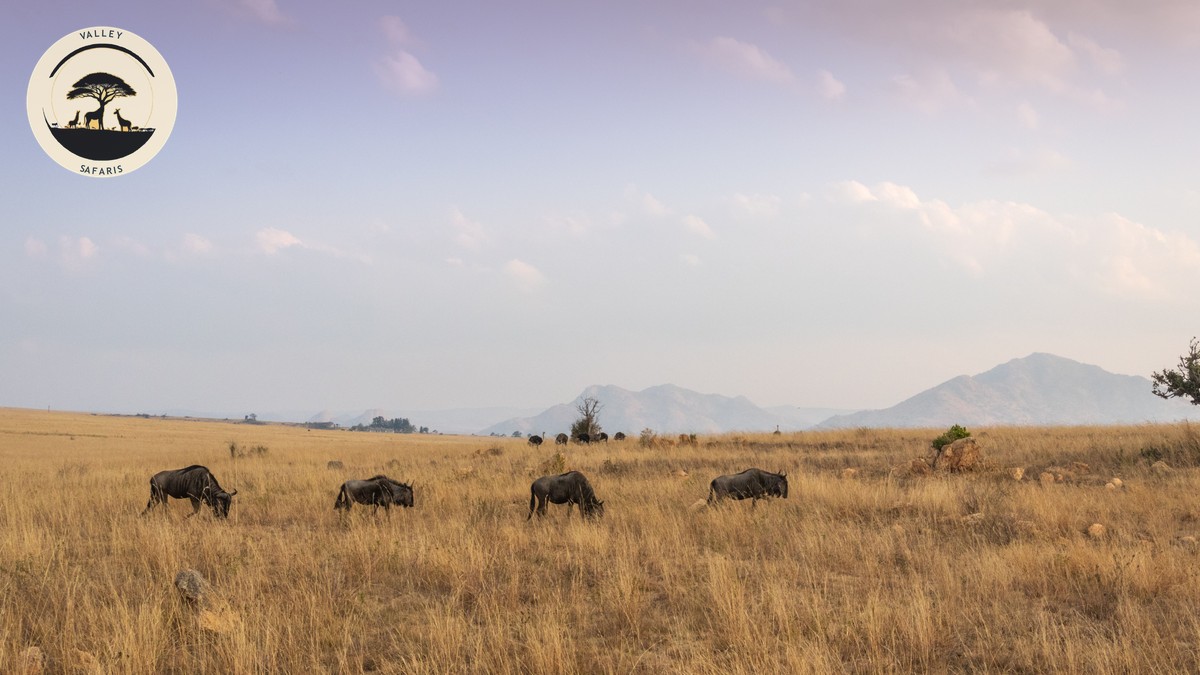
The Great Migration is the single biggest reason people book a Kenya safari, and it is also where AI tends to overpromise. Ask any AI tool when to see the Mara River crossings, and it will often give a confident, narrow answer, something like “book for August.”
In reality, the migration is driven by rainfall, not a calendar. River crossings at the Mara typically happen between July and October. The exact weeks shift year to year, depending on how the rains fell in the Serengeti months earlier. A guide who is out in the Mara Triangle that week knows far more than a model trained on average historical patterns.
Why AI Agrees With You Instead of Correcting You
Here is a quieter problem. Ask ChatGPT to check a 5 day itinerary that includes Nairobi, Maasai Mara, Amboseli, and Diani Beach. It will often say the plan looks good, even when the logistics do not work in 5 days. AI tools are built to be agreeable and helpful, which means they rarely push back hard on a bad assumption unless you specifically ask them to find problems.
A real safari planner will tell you honestly that Diani Beach and two inland parks do not fit into 5 days. They will explain why, before you book flights that cannot be rearranged.
Reserves, Conservancies, and Why the Difference Matters
AI models also blur the line between Maasai Mara National Reserve and the private conservancies that border it, such as Naboisho, Olare Motorogi, and Mara North. The reserve is managed by county government and has rules against night drives and off-road driving. The conservancies are privately run, allow night game drives and walking safaris, and cap visitor numbers, which usually means fewer vehicles at a sighting. These are different products with different fees and different experiences, and an AI itinerary that treats them as interchangeable is missing something important.
The same confusion shows up between regions entirely. AI tools frequently mix up Samburu and the Masai Mara when suggesting a first safari, even though they sit roughly 470 km apart and offer very different wildlife and landscapes.
The Valley Safaris Difference
We use AI tools too, honestly. They are useful for brainstorming and for helping a client put words to what they want. But every itinerary we send out is built and checked by a real person. They have driven the Nairobi to Mara road this month. They know which conservancy has room in October, and have called the lodge directly to confirm this season’s rate.
That is the gap AI cannot close yet. It can tell you that Amboseli has views of Mount Kilimanjaro. It cannot tell you that the Kimana Gate road washed out last week, or that a specific camp’s best tents face the swamp where elephants gather at dawn. Local, current, first-hand knowledge is still the difference between an itinerary that reads well and a trip that runs well.
A Quick Checklist Before You Book an AI-Built Itinerary
Before you commit to anything an AI tool built for you, run it through this list:
- Confirm every lodge name exists today with a quick search of its own website or a direct call.
- Check drive times against the table above, or ask a local operator directly.
- Confirm park and conservancy fees for your travel month, since rates can change by season.
- Verify your eTA only through Kenya’s official government portal.
- Ask a real person whether your daily plan is physically possible, not just plausible on paper.
- Double check whether a “reserve” or a “conservancy” is being recommended, since access rules differ.
If an AI itinerary fails more than one of these checks, treat it as a rough sketch, not a booking-ready plan.
Plan It With People Who Know the Roads
AI can help you dream up a Kenya safari. It should not be the last word on the roads, the lodges, or the migration timing. If you want a 2026 itinerary built by people who have actually driven the route this season, get in touch with Valley Safaris. We will turn your first draft into a trip that actually works.